
Impact Spotlight: HAH Capacity Grants

Since 2018, Harvest Against Hunger has partnered with local, private funders, as well as state and local governments to provide capacity grant funding for smaller nonprofit organizations and community groups. Last year, through the King County Local Food Infrastructure (LFI) Grant, HAH administered $775,000 in funding. It supported 22 shovel-ready projects: 13 funded by King County, 11 by the American Heart Association, and 1 jointly funded. Collectively, these organizations serve an estimated 10,000 – 15,000 households. They support low-income, immigrant, refugee, BIPOC, and food-insecure households, as well as children. They also assist seniors, people with disabilities, and individuals experiencing homelessness.
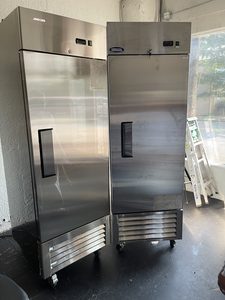
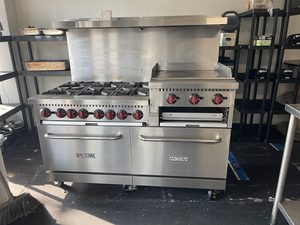
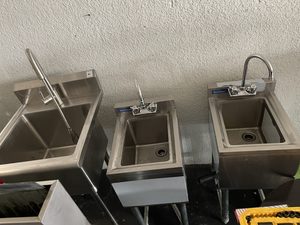
One example of this impact is through Cultivate South Park, a member of King County Farmer’s Share, and its Urban Fresh Food Collective. Cultivate South Park used its LFI grant funding to expand food storage and distribution capacity. The grant financed a commercial refrigerator-freezer combo, a dehydrator, a freeze dryer, and a 3-compartment sink. It also supplied food preservation materials.
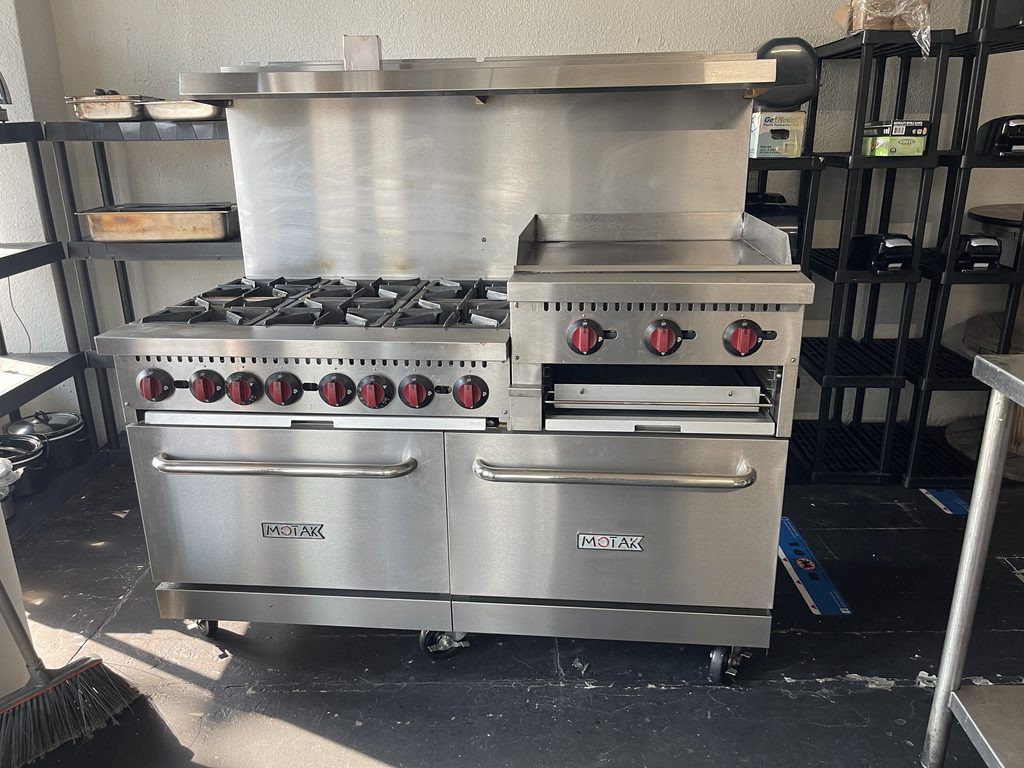
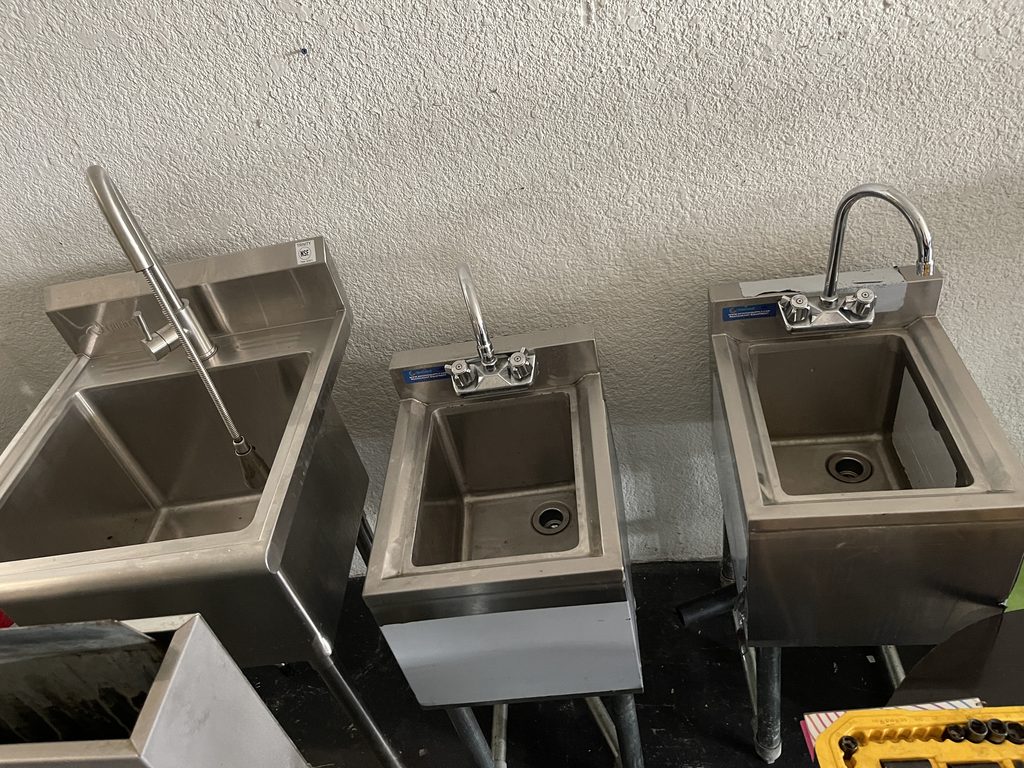
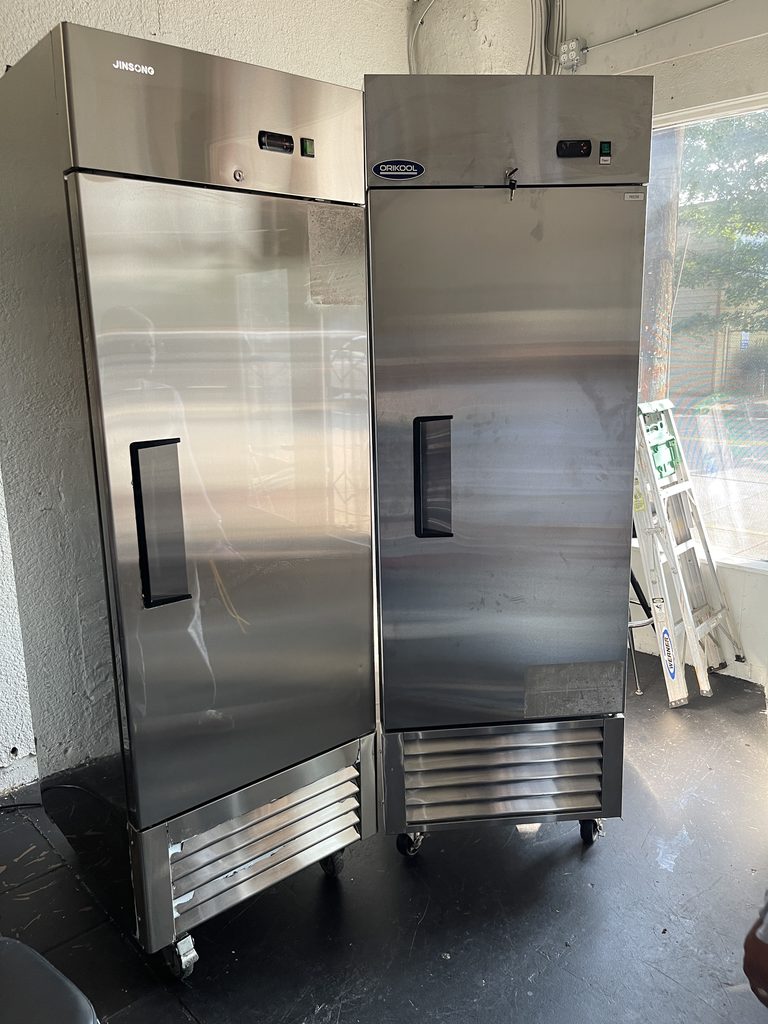
The impact of these types of purchases is immense and systemic. Cultivate South Park has increased its perishable storage by 200%. This improvement enables it to serve an additional 50 households per day through refrigerated lockers. It can freeze-dry up to 10,000 pounds of food annually for emergency use. This infrastructure project ensures that every household that visits the Casa Orilla Food Bank has access to high-protein foods, increasing service by 25% and, within six months, significantly reducing its waitlist.
Capacity grant funding, like the LFI grants, enables organizations and operations to safely store and distribute culturally relevant, nutritious food to those who need it most, while also strengthening markets for local farmers and food producers. These capital investments address rising demand for fresh food, reduce food loss, and enhance the resilience and viability of our local food economy. Demand for this assistance remains high, and we will need funding to extend the program and its impact.