
HAH Board Overview

Farm to Community fresh produce delivery to Des Moines Food Bank in south King County.
Thank you for your interest in the Harvest Against Hunger Board of Directors!
Please use this page to learn Harvest Against Hunger is a highly innovative and collaborative organization that partners with hundreds of other organizations to make a difference in the lives of the thousands of people in our community who struggle with food security.
Every day, millions of pounds of the food grown in the United States goes to waste, while an estimated 1 in 6 children suffers from food insecurity. In Washington, roughly two million people turn to food pantries, hot meal programs, or other community hunger relief efforts to meet a basic human need. Those numbers increased dramatically through the pandemic and remain high compared to previous years.
Harvest Against Hunger plays a unique role in the hunger relief system by connecting farmers, transportation providers, produce packers, volunteers and hunger relief organizations to move healthy produce from farms to the plates of those in need. We think of our work in terms of the ripple effect we can have in developing stronger, more resilient food systems. Our investments of time and resources are critically important to building sustainable models that will have a lasting impact.
Thank you for your interest in joining the board. If after reviewing the information below you would like to be considered for board service, complete and submit the form linked at the bottom of this page.
Jan Levy, HAH Board President-elect
David Bobanick, HAH Executive Director
HAH Board Learning Modules
To help you better understand the organization, we’ve developed this online toolkit. The site is broken into modules that you can review at your own pace in any sequence or order you would like.
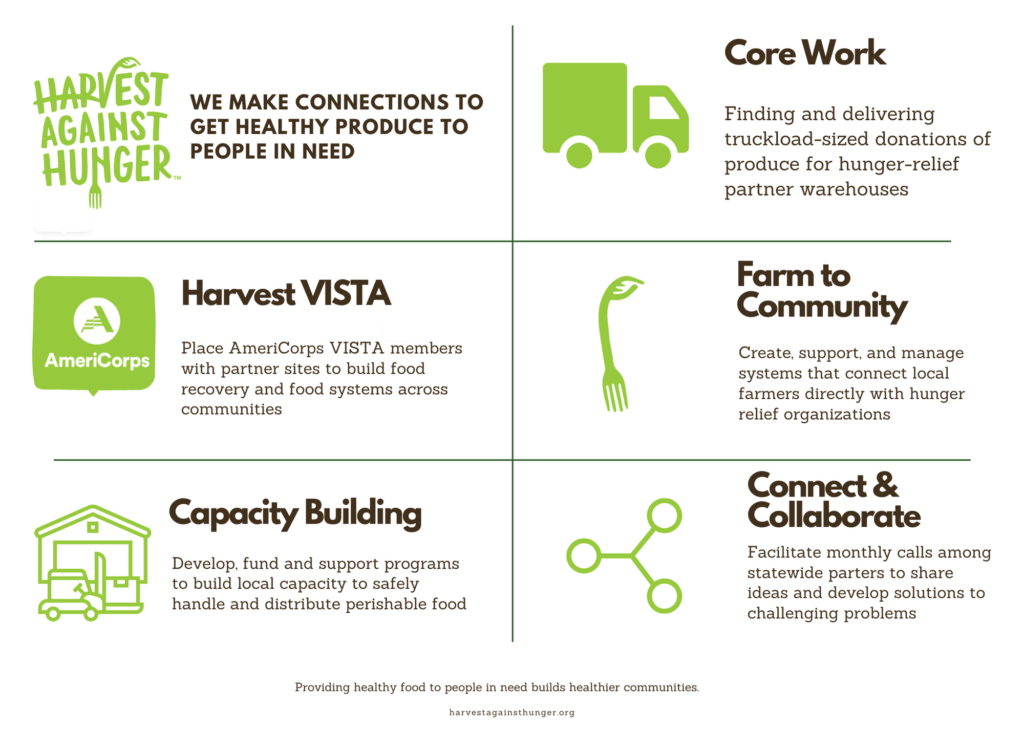
As the diagram on the right shows, HAH has several program activities. Our strategy is to build connections between and across those programs so that our resources and expertise can support a broad mix of community food system partners.
HAH Board Meetings
The full HAH Board generally meets on the fourth Monday of every other month, starting in July. Meetings are held in person in Seattle, with an option to join remotely for members who are not able to attend in person.
Board committees meet monthly, typically via Zoom or Teams.
Module 1: HAH Board Member Job Description
The Board will support the work of HAH and provide mission-based leadership and strategic governance. While day-to-day operations are led by HAH’s Executive Director the Board-Executive Director relationship is a partnership, and the appropriate involvement of the Board is both critical and expected. Specific Board Member responsibilities include:
Leadership, governance and oversight
- Serving as a trusted advisor to the Executive Director as s/he develops and implements HAH’s strategic plan
- Reviewing outcomes and metrics created by HAH for evaluating its impact, and regularly measuring its performance and effectiveness using those metrics; reviewing agenda and supporting materials prior to board and committee meetings
- Approving HAH’s annual budget, audit reports, and material business decisions; being informed of, and meeting all, legal and fiduciary responsibilities
- Contributing to an annual performance evaluation of the Executive Director
- Assisting the Executive Director and board chair in identifying and recruiting other Board Members
- Partnering with the Executive Director and other board members to ensure that board resolutions are carried out
- Serving on committees or task forces and taking on special assignments
- Representing HAH to stakeholders; acting as an ambassador for the organization
- Ensuring HAH’s commitment to a diverse board and staff that reflects the communities HAH serves
Fundraising
HAH Board Members will consider HAH a philanthropic priority and make annual gifts that reflect that priority. So that HAH can credibly solicit contributions from foundations, organizations, and individuals, HAH expects to have 100 percent of Board members make an annual contribution that is commensurate with their capacity.
Board terms/participation
Board Members will serve a three-year term to be eligible for re-appointment for two additional three-year terms. Board meetings will be held monthly and committee meetings will be held in coordination with full board meetings.
Module 2: HAH Programs

Harvest VISTA Summer Associate with CityFruit in action at Black Farmers Collective's YES Farm in Seattle.
HAH believes that providing healthy food to people in need builds healthier communities. When we develop or expand programs, our goal is to do it in a way that will benefit other organizations and strengthen the overall food and hunger relief systems.
The links below will take you to detailed information and pages for each program. The videos below will give you a better sense of how these programs have been developed and help our partners.
HAH’s Core Work is finding and delivering truckload-sized donations of produce for hunger relief partner warehouses.
Harvest VISTA program places AmeriCorps members with local programs to build and improve connections between farmers and hunger relief organizations.
Farm to Community connects small-scale growers with local hunger relief partners across Washington to develop wholesale connections to get nutrient-dense fruits and vegetables to those in need.
Capacity Grants provide grant funding to help local hunger relief programs invest in capacity to handle perishable donations.
Washington Gleaning Network HAH’s newest program, WGN is designed to support and strengthen a broad coalition of programs dedicated to gleaning and produce recovery across Washington state.
HAH Farm to Community - Delivering Hope
HAH Organizational Overview
Farm to Community
Core Work
Harvest VISTA
Growing for Good
HAH Feature Article in Rotary Magazine

Module 3: Our History
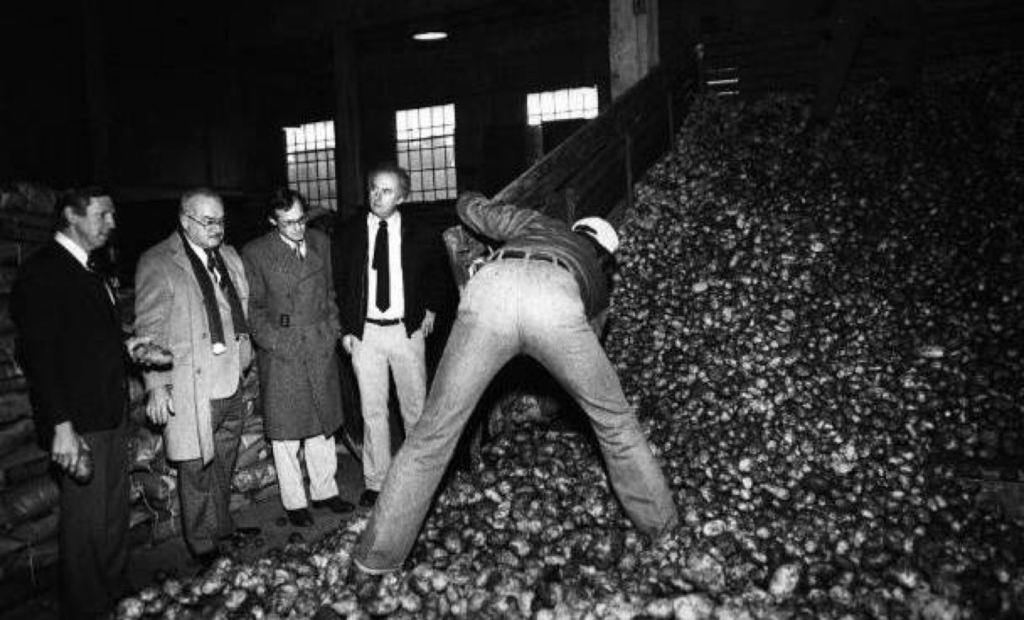
One HAH's first truckloads of potatoes circa 1983
The year was 1982, and Seattle was just climbing out of a years-long recession that had devastated the community. Harvest Against Hunger was launched as a project of the University District Rotary Club to source fresh produce from backyard gardeners to share with local food banks to meet the high demand for help.
The program grew quickly, and in 1983 became a project of Rotary District 503. While Harvest Against Hunger still receives support from Rotarians and Rotary clubs throughout King County, we are an independent 501 (c)(3) organization with a mix of Rotarians and non-Rotarians among board and staff members.
Learn more about the history of HAH and some of our important programs here.
Module 4: Governance and Policies

Farmer delivering fresh produce to North Helpline Food Bank as part of our King County Farmers Share program.
Below are links to key documents and information about Harvest Against Hunger and its corporate structure. Policies are included here for your review, and if needed, your signature.
Module 5: Board Committees
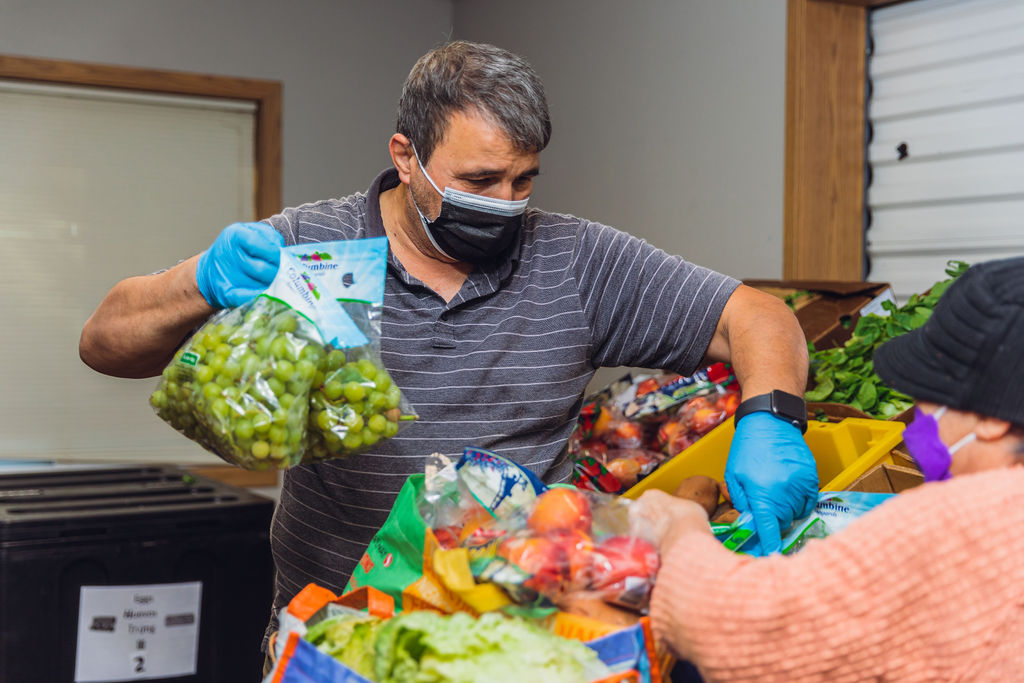
King County Farmers Share distribution a White Center Food Bank
HAH has five standing committees, as outlined in the HAH Bylaws:
- Executive
- Development
- Governance
- Finance
- Equity
In addition, HAH has five ad-hoc committees, including:
- Advocacy
- Special Events (Development subcommittee)
- Planned Giving (Development subcommittee)
Board members are encouraged to serve on at least one committee. HAH Staff serve as ex-officio members, and community members may serve on the ad-hoc committees.
Module 6: HAH Finances
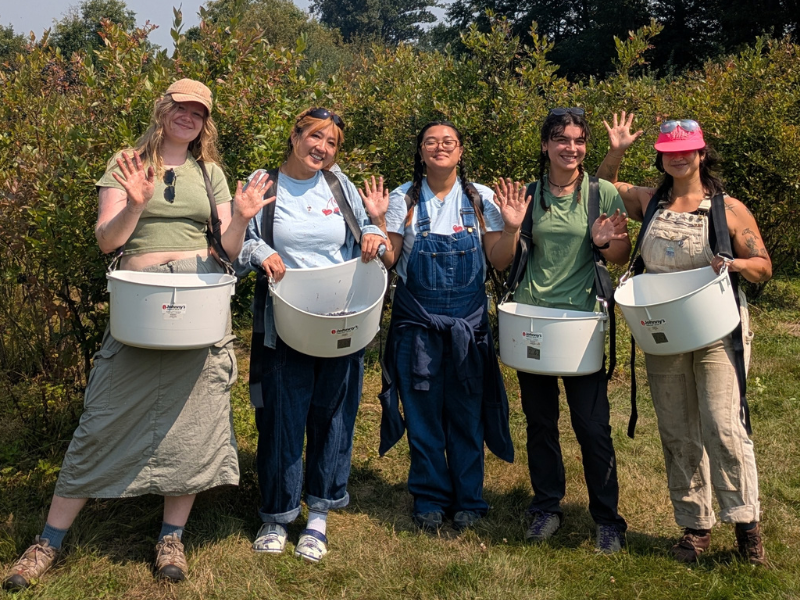
Gleaning event at Oxbow Farm in Carnation, WA with current WA Gleaning Network partners and past Harvest VISTA members
The Board Treasurer and Executive Director provide financial reports at every HAH Board meeting. HAH uses accrual-based accounting, and the Program and Operations Director (Katy Boehm) HAH uses Quickbooks to track and manage our finances, which are presented in every BOD meeting packet with:
- Treasurer’s Report
- Balance Sheet
- P&L by program
- Cash Flow
In addition, we are pleased to share this comprehensive Not-for-profit Board Finance Overview that was prepared for the UW Foster School of Business Board Fellows program.
Credit: Wendy Baesler, MAcc, Ph.D.
Instructor, Department of Accounting
Foster School of Business, University of Washington
HAH financial documents
Module 7: Development and Fundraising
Save the Date!
March 19, 2027
Fundraising at HAH is primarily driven by the Development Committee, whose primary responsibility is to ensure that HAH has a robust and diversified funding stream to support its mission and long-term sustainability. While the Development Committee makes strategic decisions, it oversees the Events Committee which is responsible for planning and implementing Hearts & Wine and other fundraising events..
The Board is primarily involved in raising funds by:
- Making a personally meaningful annual gift to HAH.
- Filling a table for 10 at Hearts & Wine, HAH’s signature fundraising event.
- Building relationships with major donors.
Additional information:
Module 8: HAH Commitment to Equity
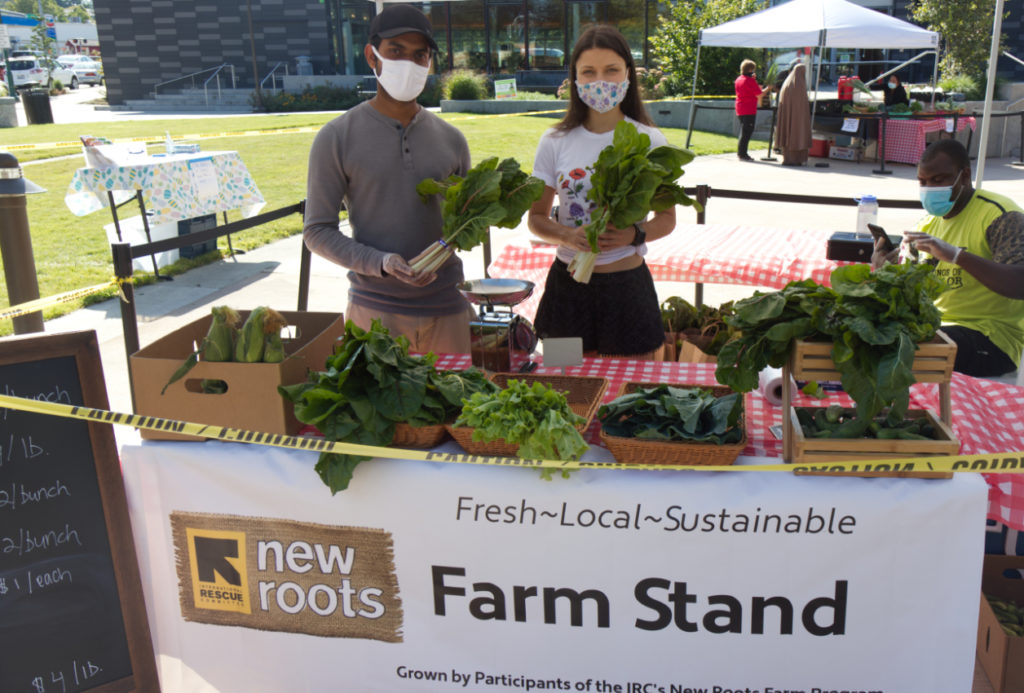
Harvest VISTA-developed New Roots Market and Distribution with International Rescue Committee
HAH’s work on anti-racism began with a series of organizational (all board and staff) anti-racism training sessions with Be Culture, a Seattle-based company specializing in DEI. Following the initial training sessions, the Equity Committee (a subcommittee comprised of both board and staff) has met every other week to refine a process that will assess the current system of influence and power to determine what groups or community voices need to be more actively incorporated into the design and impact of program activities, decisions, and developments. These meetings culminated in the recent adoption of HAH’s Equity Lens, which actively centers decision-making around equitable and deliberatively inclusive processes and outcomes. The committee continues to develop and refine HAH’s Equity Statement, which is linked from the Equity Lens document.
HAH Board Interest and Application Form
Additional Reading and Resources
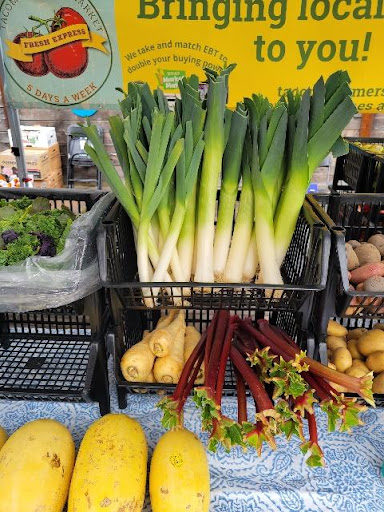
Tacoma Farmers Market Community Distribution built through a partnership between Harvest VISTA & Farm to Community programming.
We work with a number of partners across the food system landscape. The reports and information linked below provide a broad overview of how hunger and food waste impact food security in our communities.
Learn about Food Insecurity
- WA State Basic Needs Among College Students
- WA Food Report (University of WA & WA State University)
- WA State Tribal Food Security Report
Learn about food waste
- ReFED Overview of Food Waste in the US.
- Use Food Well Washington (WA Dept of Ecology, WSDA and other Community partners)
Learn more about hunger, food assistance and other programming