

What the Strawberries Taught Me
03 Aug 2026, by in Latinos Unidos y Floreciendo (LUYF)My name is Crystal Preciado and I am a Harvest VISTA member through Harvest Against Hunger. I serve as the Community Outreach and Food Access Coordinator with Latinos Unidos Y Floreciendo in Vancouver, Washington. I design and implement organizational systems that improve operational efficiency and long-term capacity. My work includes developing data collection and reporting frameworks, creating dashboards, standardizing workflows, analyzing program performance, improving outreach strategies to underserved communities, and building volunteer recruitment and onboarding systems.
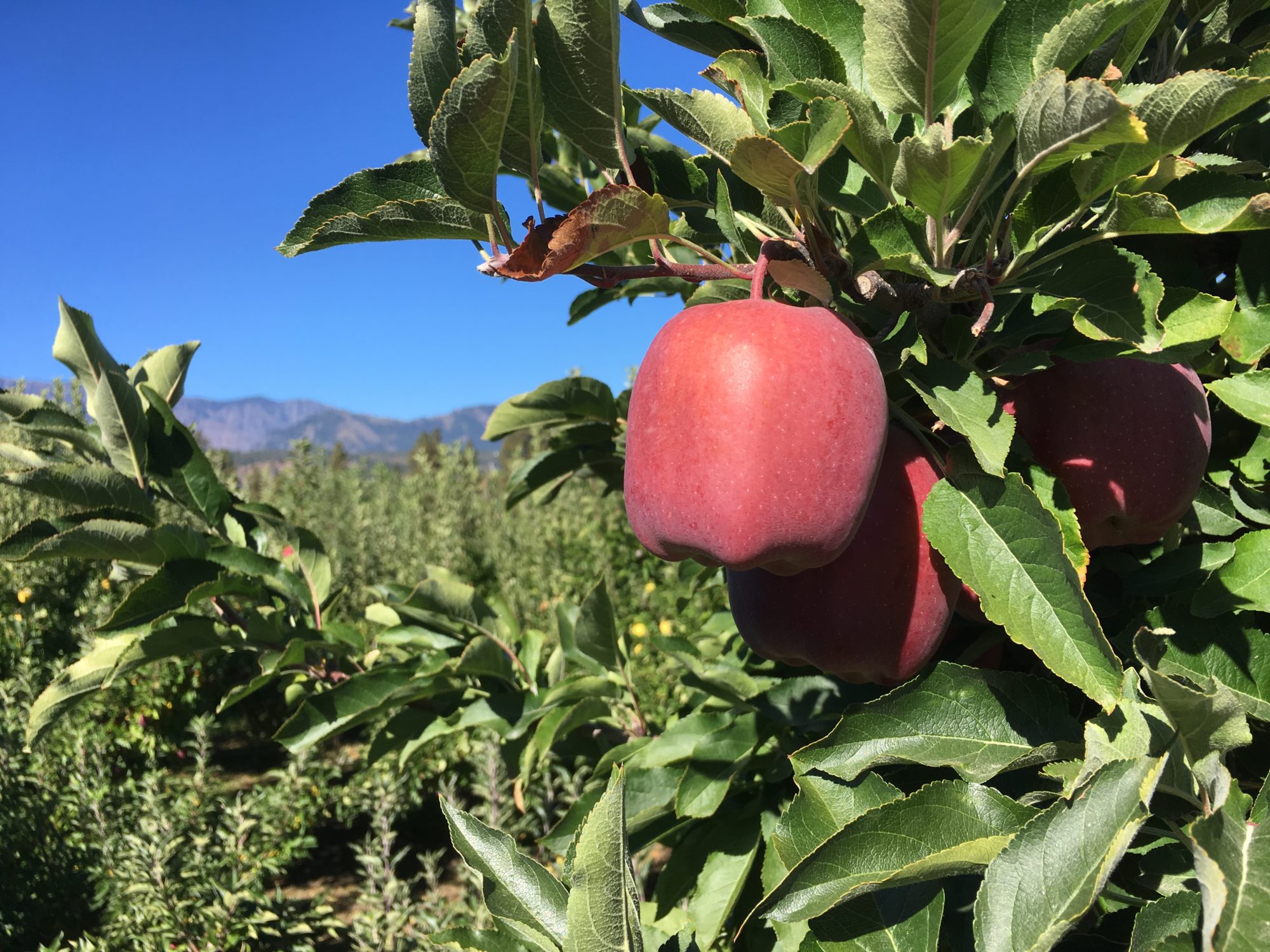
When food is presented, we analyze it in its true physical form, not in terms of the essence of what it takes to get it onto a dining room table. From the first moments of cultivating a seed to the final moments of its journey from the ground to the hands of a family, or a feeding mouth. Our perception is defined differently whether we think of it deeply or not. I didn’t fully understand this until a moment at one of our food distribution events. I was handing out cartons of strawberries, one by one, to families passing through the line. As I went to give another carton to one of the mothers, she stopped me: “No esta bien, mas mejor darlo a otra familia que lo necesita, porque trabajo cosechando fresa.” She worked picking strawberries for someone else’s field, and still, standing in our distribution line for her own family, she chose to redirect her share to someone she judged needed it more. In that instant, I realized something about the families we serve: they are not just recipients of what we give. They are stewards of the resource, carrying with them their own relationship to the labor, the land, and the need behind every carton.
That moment reframed how I see our food. We don’t just see the physical thing in front of us, we see the essence of what it took: the labor, the care, the cultivation, the picking. And when we give, we don’t expect it to simply be consumed once. We expect it to multiply to feed a body today, and to invest in a longer, healthier life tomorrow. We give to feed, yes, but more than that, we give to create space: a promise of a better future, a promise that someone can take care of themselves and invest in their own body and their families. It is important to remember the range of what it takes to give back to communities that live in food deserts. From my observation, what makes LUYF’s food distribution events so special is its preservation of expanding this opportunity from generation to generation. I now realize the importance of taking care of our community; it doesn’t just take one. It takes a collective voice and organization like LUYF to uphold the initiative of making a difference in the lives of the individuals we serve. From this moment forward, my understanding and impact will be viewed differently. I used to see food insecurity work as filling a gap, immediate need with immediate aid. Now I see it as investing in something generational: dignity, health, and the belief that a community can take care of itself when given the tools to do so. As I am part of the demographic that is served, I understand the realities and struggles of food insecurity. But the role I’ve stepped into is essential so that we all understand every part of the bigger picture because what is a puzzle without the missing piece that makes it whole.